
Voting Is Not Purchasing

Every day, politicians at all levels (federal, state, & local) advocate policies, programs, laws, regulations and bills with which I disagree. Some are, to be blunt, incredibly stupid. Here’s just one recent example: Democrats nixed a merger between Jet Blue and Spirit airlines, arguing that it would “depress competition” and “harm consumers”. Well, we all know how that turned out: Spirit went out of business, losing over 15,000 jobs, $6 million in capital, stranding thousands of travelers, and giving the big airlines even more market share.
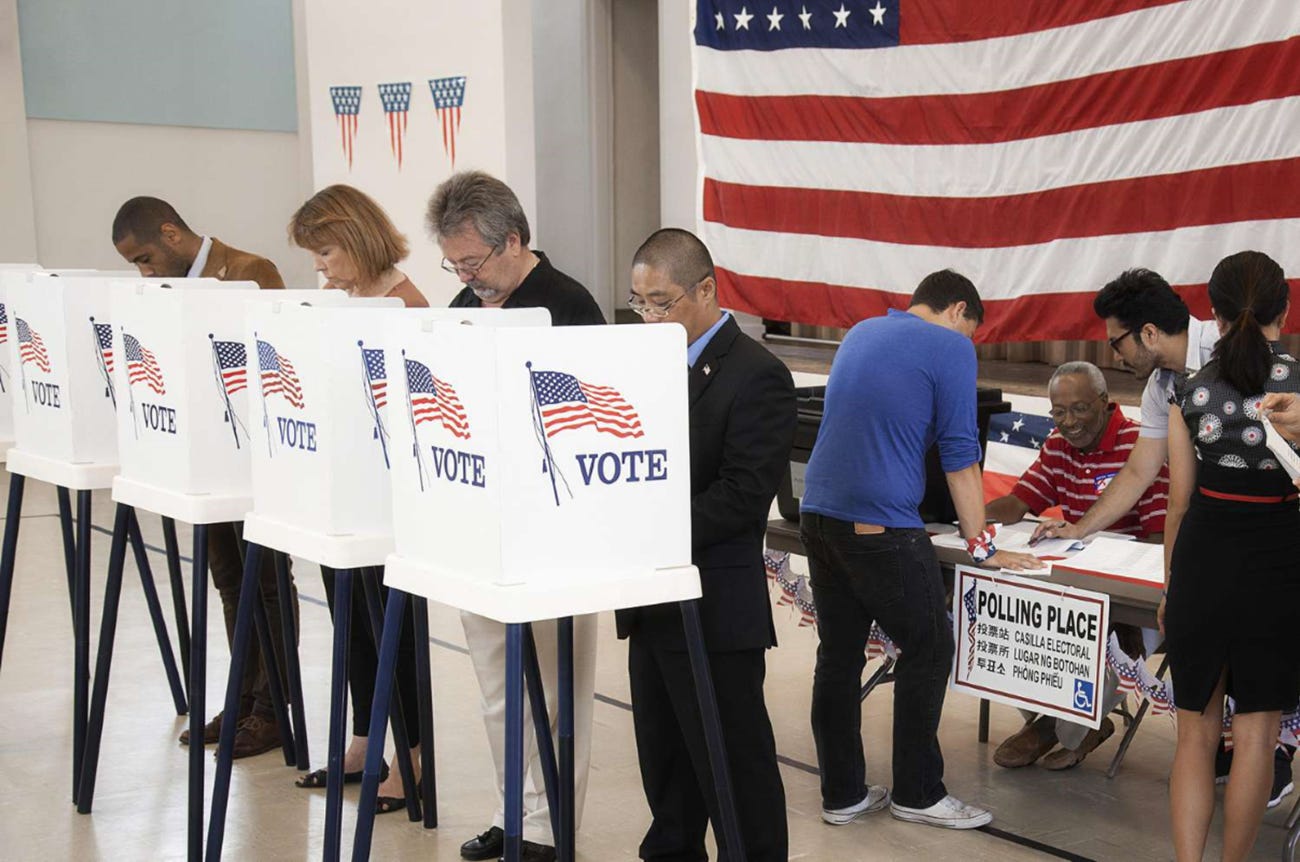
There are, of course, endless similar examples that would fill an entire library, so I won’t even bother going further. But eh, not to worry, say the patriots and pundits, because we all live in a democracy! If you disagree with a politician’s actions and positions, well, all you have to do is vote him/her out of office next time around!
This requires some serious rebuttal from your favorite blogger.
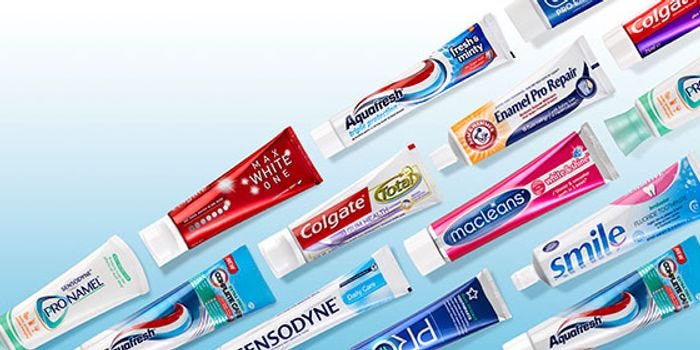
The folks who are all gung-ho for democracy are trying to convince us that choosing a politician is, essentially, no different than choosing which good or service to purchase. That, dear reader, is total hogwash. If I, for example, want to switch toothpaste brands from Crest to AquaFresh, or choose a Ford instead of a Toyota, or to get a haircut at SuperCuts instead of Great Clips, I just make my decision and do it. No fuss, no muss, no dependance on some election outcome.
Now let us compare that to choosing or replacing a politician:
First of all, one must wait for the next election cycle, which only come around every two to six years, depending on the office. Now imagine if you wanted to switch toothpaste brands, but had to wait years till you could vote on it. (An excellent idea, say the advocates, for our dental health is much too important to be entrusted to free market profiteers!)
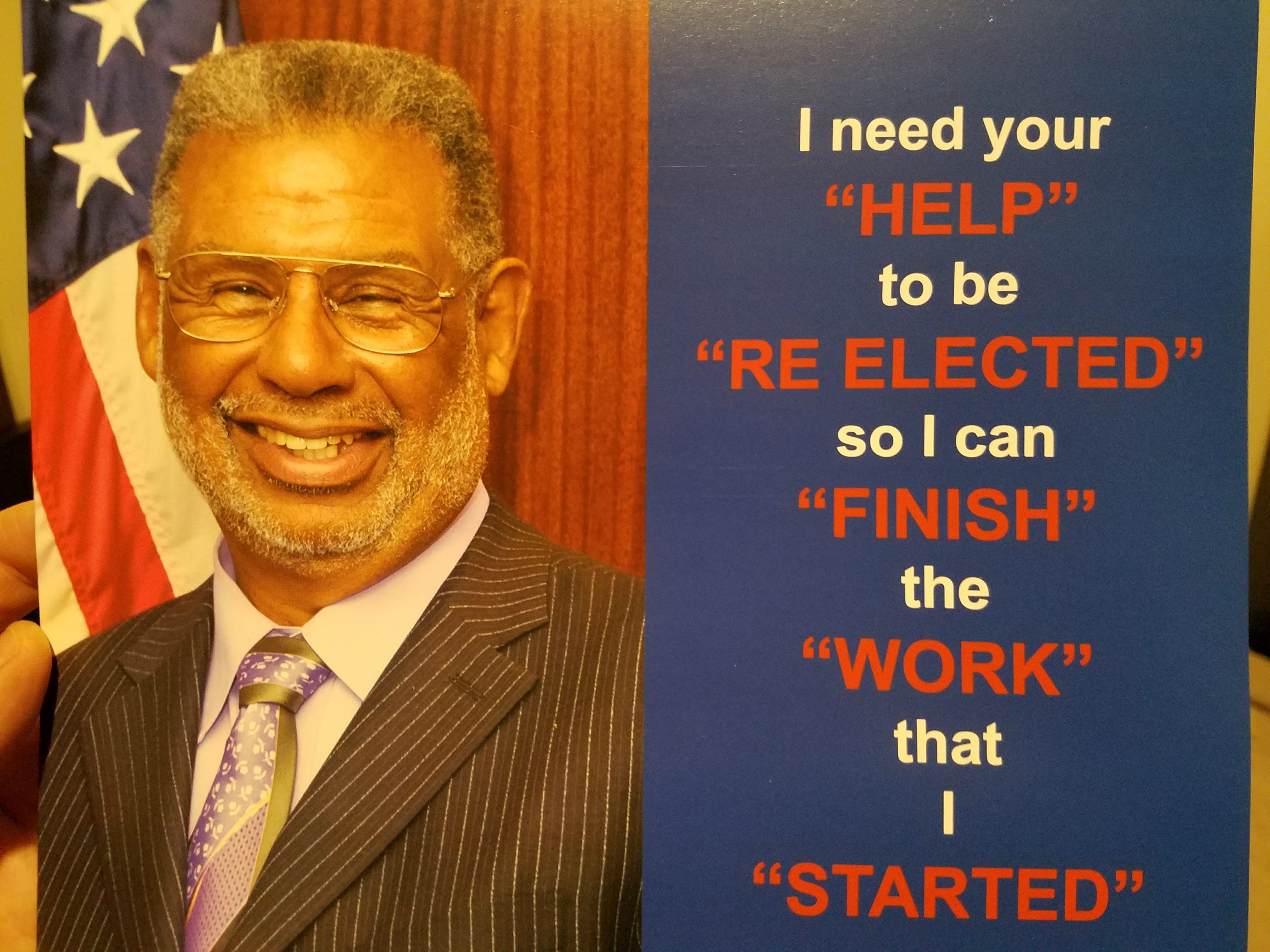
Also, your typical politician is a mixed bag. He/she might agree with you on some issues, but disagree on others. How to decide? Well I suppose you could whip up a spreadsheet with all the candidates, list every issue, and apply a weighting algorithm to numerically calculate the optimal choice. But your typical voter is not that analytical. Most choose based on party loyalty, name recognition, personal qualities, campaign razzle-dazzle, or just follow the flock so they can say they voted for the “winner”. Some even choose randomly. Furthermore, voter memory tends to be very short-term; only recent news items carry significant weight. And politicians, as a general rule, prefer to avoid issues anyway.
And let me add that you only get one vote. For a big election like President, you’re only one of about 150 million; for a local election, a smaller number. And it doesn’t matter how strongly you may feel about some issue or candidate; your single vote is unlikely to affect the outcome. What if you had to vote on toothpaste brands, but the majority disagreed with your choice?!?
And finally, there is no guarantee that your candidate will even follow up on their campaign promises. Consider President Donald Trump: he promised less government, less spending, less taxes, less inflation, more trade, and no more endless foreign wars. What did we get? Pretty much the opposite.
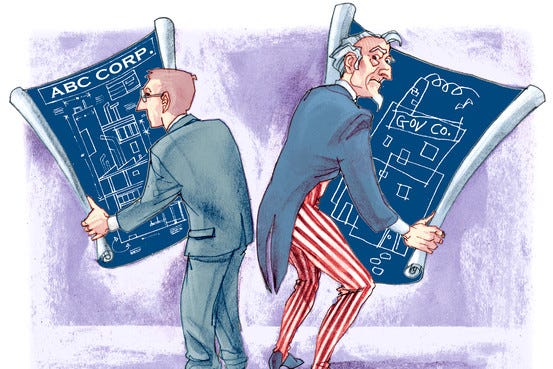
On a related note, let me add that, despite the claims of Trump and his MAGA followers, government is NOT a business. In business, the objective is to convince buyers to buy your product, all while minimizing costs. In government, no convincing is necessary, for government has the power to physically punish those who do not tote the line. Politicians are praised for bringing home the bacon and spending on public projects and other freebies that the people crave, costs be damned. No politician is rewarded for being frugal and cutting government benefits. The skill set needed to run a profitable business, therefore, is not the same as what is needed to be a well-loved politician.
Furthermore, a “business” has a distinct owner or owners, who can voluntary cash out at any time. If the United States of America truly was a business, then I, supposedly a “co-owner”, could cash out, and be forever exempt from all governmental demands, such as taxes. Of course, that is not the case.
My objective here is not to denigrate democracy, for democracy is certainly better than the authoritarian tyrannies that exist in too many places all over the world. Rather, I am pointing out that voting has limits. I truly wish that simply voting WAS an effective way to curb governmental greed, ineptitude, fraud, and waste. Admittedly, it is a bit of a dilemma, for voting is still our most inalienable “weapon”.
My recommendation, dear reader, is to spread the word that the only real path to a prosperous, stable, peaceful society is minimal government and maximum personal liberty. Our government is much too powerful, and attempts to do and control way too much. That should be treated with as much scorn as the notion of politicians choosing our toothpaste.